The Art of Layered Lighting: How to Light Your Home With Intention
Great lighting rarely comes from a single fixture.
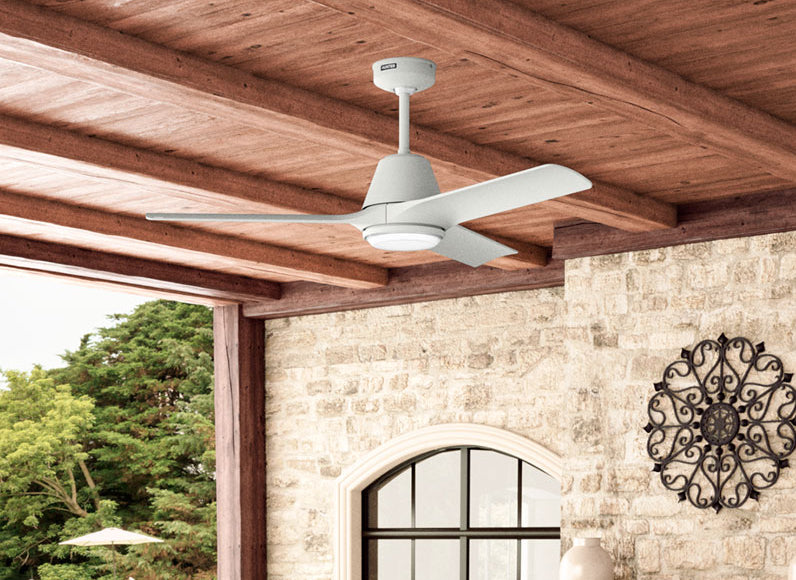
The rooms that feel most considered use light across different parts of the room, from overhead fixtures that provide general illumination to focused and decorative lighting that adds function, dimension, and character.
That’s the idea behind layered lighting: choosing multiple sources of light that work together, each with a purpose.
And the goal isn’t simply more light. It’s the right light in the right place.
What Is Layered Lighting?
Layered lighting combines different types of lighting within one room instead of relying on a single overhead source.
Most lighting plans include three primary layers:
- Ambient lighting provides overall illumination through ceiling lights, chandeliers, pendants, and other general light sources.
- Task lighting adds focused light where you need it for activities like cooking, reading, or getting ready.
- Accent lighting adds depth and draws attention to architectural details, artwork, or other features within the room.
A well-lit room doesn’t necessarily need all three in equal measure. The right mix depends on how the room is used.
A kitchen may rely more heavily on task lighting, while a living room may benefit from several softer sources that give you more flexibility throughout the day.
Think Vertically: Light at Different Heights
One of the easiest ways to evaluate a room is to look at where the light comes from.
If every source is overhead, the room may be missing illumination closer to eye level or to the places where everyday activities happen.
Think vertically: overhead, eye level, and task level.
Pendant lights and chandeliers help establish light from above. Wall sconces introduce another layer closer to eye level. Other focused light sources can fill in areas where you read, work, prepare meals, or unwind.
Using light at different heights creates more dimension and gives each fixture a clearer role.
How to Layer Bathroom Lighting
Bathroom lighting is a good example of why one fixture often isn’t enough.
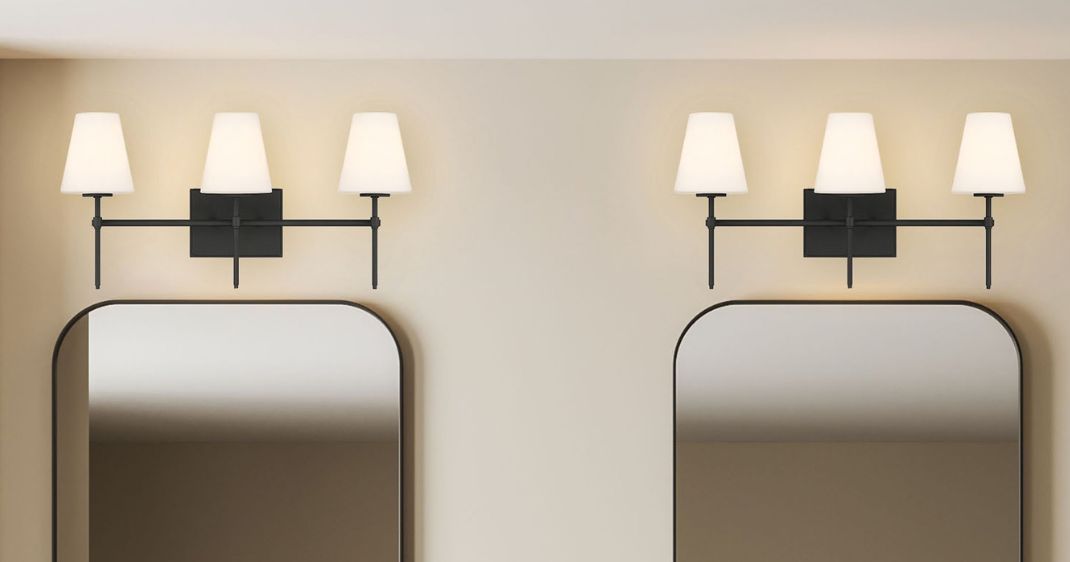
Overhead lighting can provide general illumination, but it may not put light exactly where you need it at the mirror. Adding dedicated bathroom vanity lighting brings another source closer to the task and creates a more considered lighting plan for morning and evening routines.
The Camelia Stem 3 Light Vanity from the Jasmine Roth + Hunter collection is one way to introduce that focused layer while adding a distinctive design element to the room.
When planning bathroom lighting, start with how the room is used. Consider where you get ready, where shadows tend to fall, and which areas could benefit from more direct illumination.
The best bathroom lighting works around the routine, not just the room.
Use Pendant Lighting to Define a Space
Pendant lighting can provide illumination while also helping visually define an area within a larger room.
In a kitchen, pendants can anchor an island or work surface while complementing the room’s broader lighting plan. In dining areas, entryways, or reading corners, a pendant can create a focal point while bringing light closer to where it’s needed.
The Isabelle Scalloped Pendant adds that layer with a softly scalloped silhouette that gives the fixture a decorative presence even when the light is off.
When choosing kitchen pendant lighting, consider the other light sources already in the room. Rather than asking pendants to illuminate everything, think about the specific role they can play alongside overhead and task lighting.
Use Wall Sconces to Add Another Layer
Wall sconces are especially useful in layered lighting because they bring illumination to the middle of the room.
That makes them a natural complement to ceiling fixtures while giving walls more visual presence.
The Amara Crest 8 Inch Sconce and Opaline Crest 8 Inch Sconce offer two distinct ways to add that layer. Use wall sconces beside a mirror, along a hallway, near artwork, or anywhere that could benefit from light closer to eye level.
A well-placed sconce can do more than brighten a wall. It can help balance the lighting throughout the entire room.
Let Lighting Work With Your Routine
Layered lighting also gives you more flexibility throughout the day.
You may want brighter, more functional lighting in the morning or while preparing dinner, then prefer fewer or softer sources as the evening winds down.
That’s one of the advantages of relying on multiple fixtures instead of a single overhead light. Different combinations allow the same room to support different activities, moods, and times of day.
Good lighting doesn’t just respond to the room. It responds to how you live in it.
Adjust Your Lighting With the Seasons
A thoughtful lighting plan works year-round, but changing seasons can make those layers even more noticeable.
As daylight hours become shorter in fall, your home begins relying on artificial light earlier in the day. Instead of completely reworking your fall decor, consider how lighting can shift the feeling of a familiar room.
Adding another source of light, adjusting brightness, or using a different combination of fixtures can make your home feel ready for the season without a major redesign.
When longer days return, those same layers continue to support the way you use each room.
Build Your Lighting One Layer at a Time
You don’t have to rethink an entire room at once.
Start with what’s already there, then look for what’s missing. Maybe your kitchen needs more focused light around an island. Your bathroom could benefit from dedicated vanity lighting. Or a wall that disappears after dark could become an opportunity for a sconce.
Layer by layer, each fixture should contribute something different.
Because the best lighting plan isn’t necessarily the one with the most lights. It’s the one that puts the right light in the right place for the way you live.
Layered Lighting FAQs
What are the three layers of lighting?
The three primary layers are ambient, task, and accent lighting. Ambient lighting provides overall illumination, task lighting supports specific activities, and accent lighting adds depth or highlights features within a room.
How do you layer lighting in a room?
Start with general lighting, then add focused light where everyday tasks happen. Use fixtures at different heights, such as pendants, wall sconces, and other task or accent sources, to create depth and flexibility.
Are wall sconces good for layered lighting?
Yes. Wall sconces add illumination closer to eye level and can complement overhead lighting, making them useful in bathrooms, hallways, bedrooms, living areas, and other parts of the home.
How should you layer bathroom lighting?
Combine general overhead lighting with focused bathroom vanity lighting near the mirror. Using more than one source helps provide both overall illumination and light for everyday routines.
Can pendant lights be used for layered lighting?
Yes. Pendant lighting can add both functional and decorative light over kitchen islands, dining tables, entryways, and other areas while working alongside the room’s other light sources.