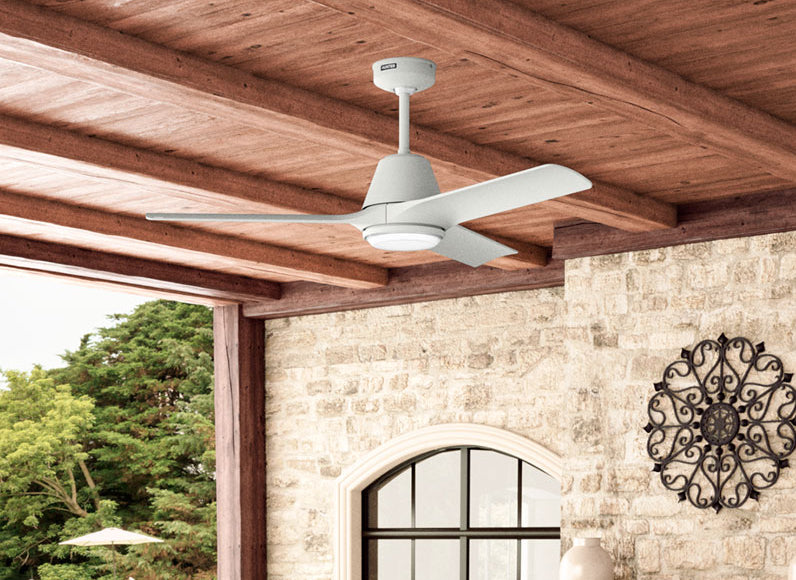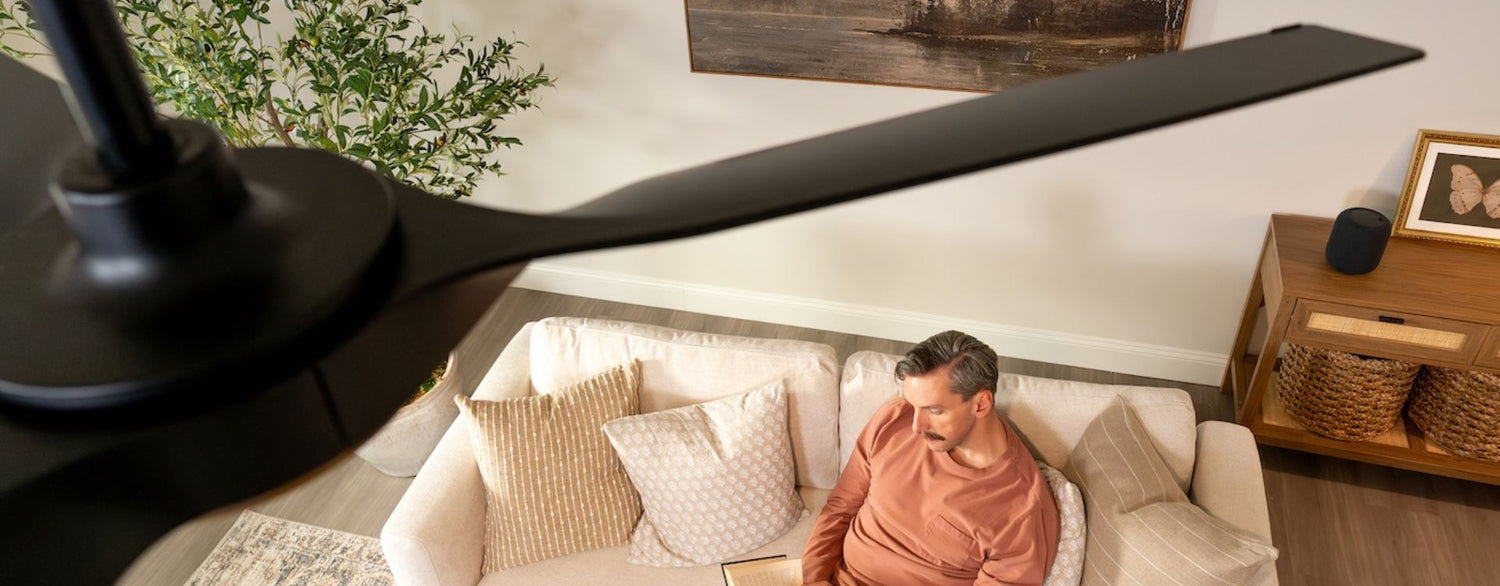
Replacing an old ceiling light with a fan is a common home upgrade. Before starting the project, there are a few important things to check, including the electrical box, ceiling clearance, and wall switch setup.
If you’ve been wondering,
“Can I install a ceiling fan where a light is?”
The answer is usually yes. In many homes, the wiring is already in the ceiling. The part people overlook is whether the electrical box and mounting setup were actually designed to handle a ceiling fan rather than a simple light fixture.
Step 1: Can I Use the Existing Junction Box to Support a Ceiling Fan
One of the biggest mistakes during a ceiling fan installation replacing light fixtures, is assuming the existing electrical box can support the fan. A standard ceiling light stays still. A ceiling fan constantly moves and creates vibration once the blades start spinning.
A ceiling fan needs a fan-rated electrical box that’s secured to a ceiling joist or support brace. Some newer homes already have one installed behind the existing light fixture. In older homes, though, the original box was sometimes only meant to hold a lightweight ceiling light, not a moving fan.
A fan-rated box is usually labeled on the inside of the housing. If you can’t find a marking or the box feels loose, it’s smart to get it inspected before installing the fan.
Loose mounting hardware usually becomes obvious pretty quickly after installation. Common signs include:
- wobbling while the fan is running
- shaking near the ceiling canopy
- rattling overhead
- uneven blade movement
Step 2: Confirm Ceiling Height and Blade Clearance
Before buying a fan, you should know the ceiling height. Hunter has been building ceiling fans for more than 135 years, and one thing homeowners run into all the time is choosing a fan that hangs too low or sits too high for the room. In general, the blades should sit at least seven feet above the floor.
Rooms with lower ceilings usually look and function better with low-profile ceiling fans or flush-mount fans that stay closer to the ceiling. Taller rooms need a downrod so the fan doesn’t end up sitting too high above the living space.
Fan size also changes how the room feels. Put a fan that’s too small in a large living room, and you’ll probably still end up with warm spots around the edges of the space. A larger blade span usually does a better job moving air across open layouts and gathering areas.
[VISUAL IMAGE SUGGESTION: Side-by-side comparison with low ceiling and vaulted ceiling installations]
Step 3: Understand the Existing Wiring Setup
One of the first questions people ask during a ceiling fan installation replacing light fixtures, is whether new wiring needs to be added. Sometimes new wiring is needed. Other times, the wiring already in the ceiling works just fine.
A room with a single wall switch usually controls both the fan and the light. That’s why a lot of homeowners end up using a remote control to adjust the fan speed and lighting separately rather than adding another switch to the wall. Modern ceiling fans with remotes make that setup pretty easy.
Some homes already have separate switches for the fan and light. If yours does, installation usually becomes easier. If separate controls are important but the wiring is not already there, adding another switch may require an electrician.
[VISUAL SUGGESTION: wall switch vs fan remote control]
Step 4: Decide if This Is a DIY Project or an Electrician Job
At some point, almost everybody asks the same thing: Should I handle this myself or call an electrician?
For some homeowners, this project is pretty manageable. For others, it turns into one of those jobs that gets frustrating halfway through.
A basic replace light fixture with ceiling fan project is usually more DIY friendly when:
- the wiring is modern and easy to access
- the ceiling already has a fan-rated box
- the fan is replacing a light fixture in the same location
- the ceiling height is easy to access
An electrician is usually worth calling when:
- the home has older wiring
- the electrical box needs to be replaced
- you want separate wall switches added
- the ceiling is vaulted or unusually high
- you’re unsure what’s behind the existing fixture
If you’re unsure, getting the setup inspected first can save a lot of frustration later.
[VISUAL SUGGESTION: Side-by-side “DIY Friendly” vs “Call an Electrician” checklist]
Step 5: Avoid Common Ceiling Fan Installation Mistakes
A ceiling fan can seem perfectly fine during installation and then start wobbling or clicking a few days later.
Some of the more common issues include:
- choosing a fan that’s too small for the room
- mounting the fan too close to the ceiling
- using a dimmer switch that isn’t rated for ceiling fans
- skipping blade balancing after installation
- assuming the old wiring matches the new fan
A fan that wobbles, clicks, or makes noise usually points back to one of these installation mistakes.
Step 6: Choose the Right Ceiling Fan for the Room
Once the wiring is figured out, the fun part starts.
Bedrooms usually work better with quieter fans that keep air moving without becoming distracting at night. Living rooms usually need wider blade spans to keep air circulating across open layouts. Hunter fan motors keep noise levels super quiet, even in larger rooms.
It’s also a good time to upgrade the lighting. Modern ceiling fans with lights include integrated LED lighting that brightens the room without adding another overhead fixture.
Homeowners looking for stronger airflow in larger spaces may also consider SureSpeed® ceiling fans
Modern ceiling fans with remotes also make it easier to adjust speed and lighting without adding extra wall controls around the room. Some HunterSMART™ fans include app and voice control for connected home setups.
Final Thoughts
A basic ceiling light only lights the room. A ceiling fan with lights changes how the room feels once the air starts moving. Before starting the project, check the ceiling height and existing wiring. Once those pieces are confirmed, the project usually becomes a lot less intimidating.
Ready to upgrade your space? Browse Hunter’s selection of ceiling fans with lights to find the right fit for your room and airflow needs.