
Pendant Lighting Placement Guide: Where (and Where Not) to Hang Pendants
When it comes to lighting for your home, there are numerous types to choose from, so it’s essential to select the right one and place it in the correct location. Remember, lighting should not only be functional, but should also accentuate your living space.
If you’re considering a lighting makeover for your home or business, you may want to consider pendant lighting. At Hunter, we offer a wide variety of pendant lighting to suit every style and budget. From nickel to rattan, there is something for every home. We’re going to shed some light on this popular home addition and share our pendant lighting placement guide so you know where to hang pendant lighting and where to pass.
What is Pendant Lighting?
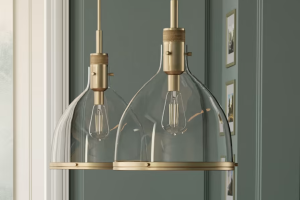
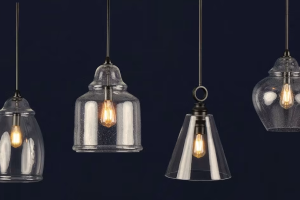
Pendant lights are single-light fixtures that hang from the ceiling using a cord, chain, or rod. They typically have a decorative covering, such as a shade or globe, that can be customized to match the interior design of the rest of your space. This is why pendant lighting comes in many styles, sizes, and materials.

Benefits of Pendant Lighting
There are several reasons why people choose pendant lighting in their home:
-
Save space that other lighting sources may take up
-
Provide task lighting
-
Enhance a room’s decor
Considering these benefits, it’s important to keep pendant lighting placement top of mind to maximize what it has to offer.
Best Places to Hang Pendant Lighting
Pendant lighting can really shine when it is placed in these locations in your home:
-
Over kitchen sinks or islands
-
In dining or living rooms, over tables
-
Hallways

Worst Places to Hang Pendant Lighting
While pendant lighting looks great in any of the spaces we mentioned above, you’ll want to avoid installing fixtures in rooms with low ceilings or in high-traffic areas. This not only breaks the flow of the room creating a cramped atmosphere, but it also creates a safety hazard.
Other places to avoid placing pendant lighting include over an oven without a hood and above a bath or shower. If you hang pendant lighting over an oven without a hood, the grease particles that rise from cooking can coat the lighting, making it an unsightly piece of decor. The pendant lighting fixture will become difficult to clean.
In the bath or shower, pendant lighting poses a risk for electrocution with the combination of water and electricity. This should be avoided at all costs.
Avoid large, dark, empty spaces for pendant lighting as well. Pendant lighting is made to accent areas, not as a sole source of lighting. It does not provide enough light, leaving parts of the room feeling dark. Reserve pendant lighting for a specific feature or area.
Pendant Light Height and Spacing Recommendations
When adding pendant lighting to your home, you want to be sure to space it properly. This involves making sure the height is just right to avoid any glare or obstruction.
If your room has high ceilings, higher than 8 feet, you may want to adjust the following recommended heights so they are slightly higher.
Kitchen Areas
When hanging pendant lights above tables and kitchen islands, they should be hung 30 to 36 inches above the table or island. This will give focused light and make the rest of the room clearly visible.
If the fixtures are in a row, over a kitchen island or table, the recommendation is generally to space them 24 to 30 inches apart.

Hallways
You want there to be at least 7 feet of clearance from the floor so people don’t bump into your lighting. Just be sure your ceilings are high enough to support this type of look. If not, people will hit their heads as they walk by. Be sure the lighting is evenly spaced and that there is at least 4 feet of space between the walls or any other structures.

Bathrooms
If you are using pendants as vanity lights, they should be installed at eye level. This is typically 60 to 65 inches from the floor. If they are at this location, you won’t get shadows on faces.
When it comes to spacing, you want to achieve a balanced look, no matter where you’re placing your fixtures. In an open space area, you want to maintain an equal distance between each lighting fixture.
Practical Tips for Pendant Light Placement
Not all pendant lighting is created equal, which is why you want to consider several factors so you get the most out of your lighting choice.
Style and Proportion
Pending lighting, such as the variety Hunter offers, comes in so many designs. You want to choose the right one to complement the room’s decor and create design balance in your home. You want the fixtures to complement each other when it comes to their color, shape, and finish. If you ignore this, your room will look disjointed and asymmetrical.
Room Size
You don’t want to squeeze too many lights in a small room. Larger rooms are often recommended for pendant lighting because they can accommodate more fixtures.
Bulb Choice
If you choose bulbs that are too bright, they will overpower the room. Choosing bulbs that are too dim defeats the purpose. For task lighting, use brighter bulbs, typically 800 to 100 lumens. If you’re going for the ambient lighting look, opt for softer bulbs, 450 to 800 lumens.
Also, think about the color of the bulbs. Warm white bulbs create a cozy atmosphere and are recommended for dining rooms and living areas. Daylight or neutral white bulbs are better for task-oriented areas like kitchens.
FAQ’s
Can I use a dimmer switch with my pendant lighting?
Yes. When you put a dimmer switch on a pendant lighting fixture, you can adjust the brightness based on what you’re doing. Choose bright lights for tasks and soft lights for mood lighting.
How do I install pendant lighting?
It is recommended to have a professional electrician install your pendant lighting since installation requires power and ground wires to be fitted.
How can I best maintain my pendant lighting?
Dust and wipe down your pendant lights regularly. Use the right bulbs to avoid overheating, and inspect the wiring to make sure everything is securely in place. Properly maintaining your pendant lights can keep them looking great and working well for years to come.

Whether you’re looking for pendant lighting, chandeliers, wall sconces, or other lighting types, you can count on Hunter. We offer a wide variety of lighting options for every room of your home. Browse our lighting collection today and choose the fixtures that best suit your home and style.