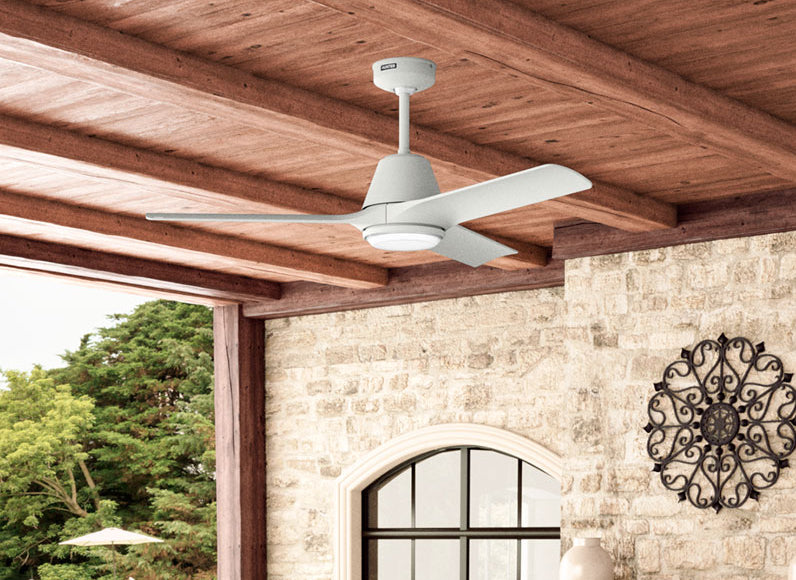
Can You Put a Ceiling Fan in a Garage? 10 Things to Know Before Installing One
For many people, the garage is more than just a spot to park the car. It’s a place to build, tackle weekend projects, exercise, watch the game, or simply enjoy some quiet time working with your hands.
Then summer arrives.
Soon, the garage can get so hot that even a quick project makes you sweat. Opening the garage door might help, but on hot, still days, there’s often not enough natural airflow to cool things down.
That leads many homeowners to consider putting a ceiling fan in the garage.
The simple answer is yes, you can install a ceiling fan in a garage. The best model for you depends on your garage’s size, conditions, and how you use the space.
Here are 10 things to consider before you install one.
1. A Garage Ceiling Fan Can Make the Space Feel More Comfortable
A garage ceiling fan moves air throughout the space and creates a breeze you can feel while working on your car, or putting in your daily workout.
When air moves across your skin, it helps sweat evaporate and makes you feel cooler, so spending time in the garage is more comfortable.
This can really help when you’re working at a bench, lifting weights, fixing up a car, or maybe just spending a Saturday on a project. Placing the fan near where you spend the most time can help make sure you feel the airflow.
2. A Ceiling Fan Does Not Replace Proper Garage Ventilation
This is one of the most important distinctions to understand before installing a ceiling fan in a garage.
A ceiling fan only moves air around. It doesn’t remove carbon monoxide, vehicle exhaust, paint fumes, gasoline vapors, or other harmful substances in the air.
You should never run a vehicle in a closed garage, even if a ceiling fan is on. If your project creates any kind of hazardous fumes, you need to ensure you have proper ventilation, exhaust equipment, appropriate respiratory protection, or any other safety measures necessary, depending on the materials and activities involved.
A ceiling fan can most certainly help make your garage more comfortable by improving the airflow, but it’s definitely not a replacement for proper ventilation or safe work habits.
3. Your Garage May Need a Damp-Rated Ceiling Fan
Garages often have changes in humidity and temperature, and sometimes get damp in ways you wouldn’t see in a bedroom or living room.
A damp-rated fan is a great choice for many garages because it’s made for places with moisture and humidity (as long as it’s not directly exposed to rain or snow).
The Cassius Outdoor 44-inch ceiling fan is one example. This damp-rated fan is recommended for garages up to 100 square feet and includes a three-speed reversible WhisperWind® motor. At high speed, it delivers up to 3,096 CFM.
You should always choose a fan with a rating that matches the real conditions in your garage. Hunter Fan has plenty of options to choose from.
4. Ceiling Height Matters Before Installation
Before buying a garage ceiling fan, measure the ceiling height and make sure there will be enough clearance below the blades.
A low-profile fan can be a good fit when ceiling space is limited. Garages with taller ceilings have more room for a downrod, which can bring the fan closer to the area where you will actually feel the breeze.
The 44-inch Dempsey Low Profile Outdoor with LED Light is made for ceilings under nine feet, so it can work well in smaller garages without much room overhead. The built-in LED lighting is also handy when the garage could use a little more light, and the included remote keeps the controls within easy reach.
5. Fan Size Should Match the Garage
A small one-car garage and a big workshop need different amounts of airflow.
The 44-inch Cassius works well in spaces up to 100 square feet. Bigger garages might need a fan with a wider blade span or stronger airflow, especially if the ceiling is high.
At the other end of the scale, the Trak Edge Outdoor 96-inch 120V ceiling fan is designed for areas larger than 400 square feet. Its four extruded aluminum blades and eight-speed WhisperWind® DC motor support airflow in expansive garages and other large spaces.
Start by measuring your garage. Then think about where you spend time and where you want to feel the breeze.
6. CFM Helps Explain How Much Air a Fan Moves
CFM means cubic feet per minute, and it measures how much air a fan moves.
A higher CFM means more airflow, but bigger isn’t always better for every garage. The right amount depends on your room and how you use it.
For example, the Cassius Outdoor 44-inch has a CFM of 3,096 and is meant for small spaces. A much bigger garage will need a fan that can move air across a larger area.
It helps to look at the recommended room size, too, since CFM only tells part of the story.
7. Think About Where You Actually Spend Time
You might have a workbench along one wall, gym equipment in a corner, or a favorite chair by the TV. Place the fan based on how you use the space.
A regular ceiling fan is great if you want airflow in the center of the room. For more focused airflow, Hunter’s DualMount Garage Fan can go on a wall or ceiling and be tilted toward a specific spot.
Mounting the fan on the wall can send air toward a workbench or workout area. Putting it on the ceiling helps move air through a bigger area and keeps your walls free for cabinets or storage.
8. Lighting May Be Just as Important as Airflow
Garages often don’t have much overhead lighting, which can be a problem when you’re working on detailed projects or turning the space into a workshop.
A garage ceiling fan with lights gives you both airflow and overhead lighting in one fixture.
The Dempsey Low Profile Outdoor with LED Light 44-inch includes two dimmable LED bulbs that each produce 800 lumens. Its handheld remote controls the fan speed and lighting.
Consider the lighting you already have in your garage before deciding if you need a fan with a built-in light.
9. Consider How You Want to Control the Fan
A pull chain works fine in a small garage with an easy-to-reach ceiling. A remote is more convenient if the fan is mounted higher or if you want to change the speed without crossing the room.
Cassius uses pull chain control, while Dempsey and Trak Edge include handheld remotes.
Think about your daily routine. Easy-to-use controls are helpful if you often walk into the garage with your hands full.
The best setup is the one that makes it easy to use the fan whenever you’re in the garage.
10. A Garage Fan Should Be Built for Long-Term Performance
A garage can be tough on equipment. Temperatures, humidity, and dust can all change a lot during the year and affect how a fan works over time.
Hunter has spent 140 years developing ceiling fans with an emphasis on craftsmanship and dependable airflow. Applicable Hunter models use WhisperWind® AC or DC motors designed for whisper-quiet operation, while rigorous testing supports the wobble-free performance Hunter owners expect.
The right garage ceiling fan should fit your space, handle the conditions, and give you airflow where you need it.
Can You Put a Ceiling Fan in a Garage?
Yes. For many homeowners, a ceiling fan makes the garage more comfortable for projects, workouts, hobbies, or just spending quiet time working with your hands.
Begin by measuring your room and ceiling height. Consider how you use the garage and what conditions the fan will face during the year.
Most importantly, garages with vehicle exhaust or hazardous fumes require proper ventilation beyond the air circulation provided by a ceiling fan.
With the right size, rating, and placement, a Hunter ceiling fan in the garage can help turn an often overlooked part of the home into a space you actually enjoy using.
Frequently Asked Questions About Garage Ceiling Fans
Can you put a ceiling fan in a garage?
Yes. A ceiling fan can be installed in many garages when the room has adequate ceiling clearance, and the fan is properly rated for the conditions in the space.
What is the best ceiling fan for a garage?
The best ceiling fan for a garage depends on the room and how you use the space. Smaller garages may work well with a 44-inch fan, while expansive garages may need a much larger blade span.
Should a garage ceiling fan be damp-rated?
A damp-rated fan can be a practical option for garages exposed to humidity or occasional moisture. Match the fan’s location rating to the actual conditions where it will be installed.
Can a ceiling fan ventilate a garage?
No. A ceiling fan keeps air moving around the garage, but proper ventilation is still needed when dealing with vehicle exhaust, carbon monoxide, paint fumes, or other hazardous contaminants.
Is a ceiling fan with a light good for a garage?
Yes, especially when the garage has limited overhead lighting. A fan with an integrated light can provide airflow and illumination in one fixture, which may be useful above a work area or in a smaller garage.