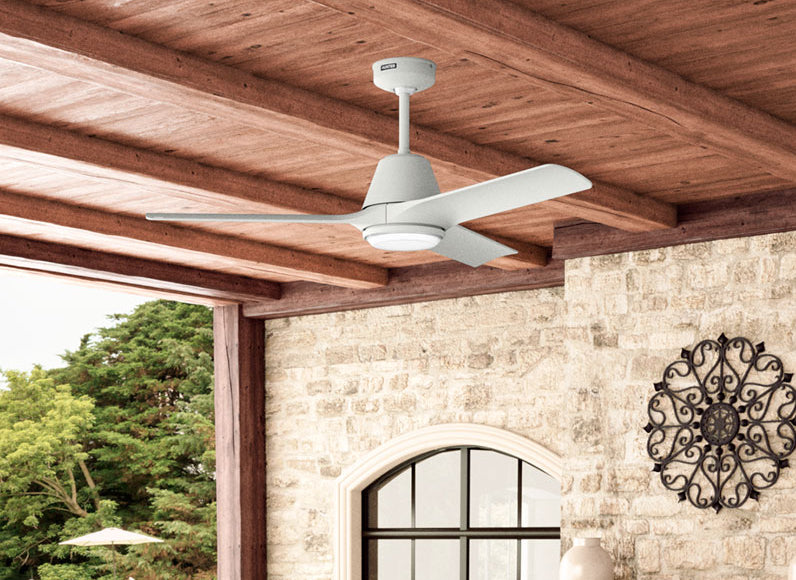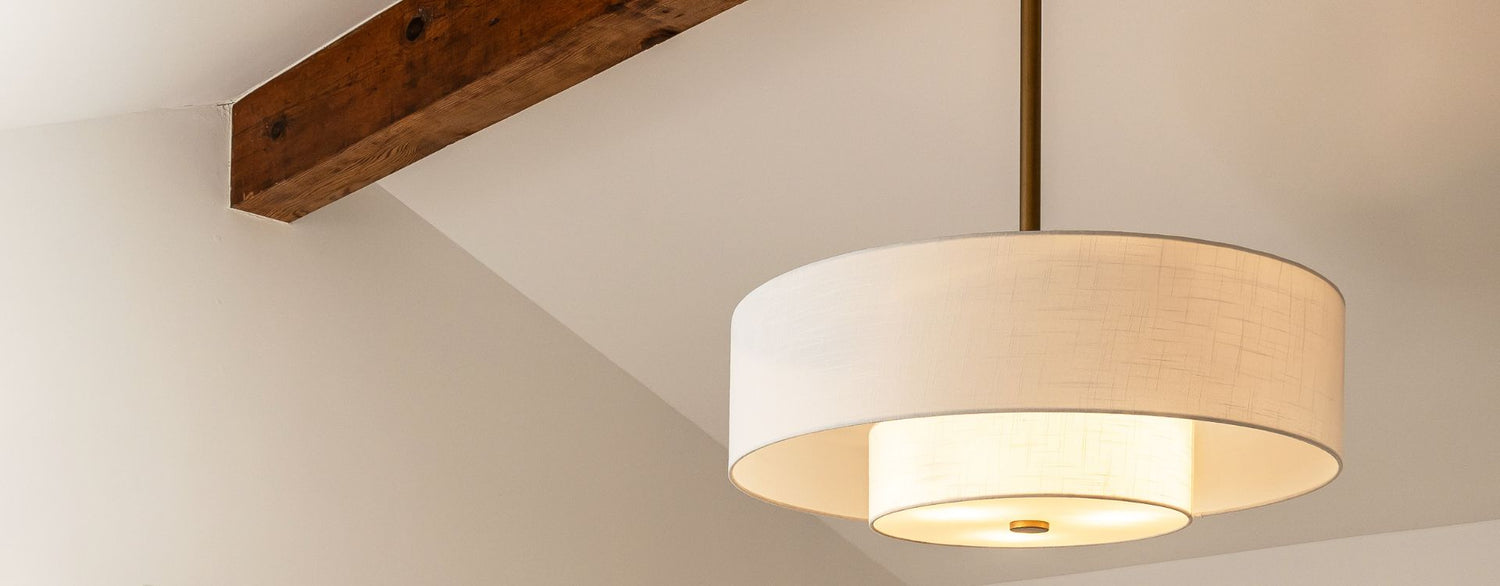
Best Rooms in Your Home for a Fandelier Ceiling Fan
Have you ever walked into a room where the air feels a bit stuffy and warm? There’s no doubt that you noticed it right away. Not the temperature exactly, just that heavy feeling that makes the space less comfortable than it should be. That’s the kind of problem a fandelier was created to solve.
It combines a ceiling fan with a chandelier, but what makes it work isn’t just the design. It’s how it keeps air moving in the parts of the room you use the most. In the right space, it helps prevent heat from settling so the room feels lighter without a large fan taking over the ceiling.
Hunter’s been building fans since 1886, so they’ve had a lot of time to figure out what actually makes a room feel comfortable. It’s not just about something spinning above your head. It’s about how that air moves once it leaves the fixture. You notice it when you’re lying in bed, sitting on the couch, or gathered around the table. That same mindset carries into their fandeliers. They’re built to look right in the room, but more importantly, to keep the air from just sitting there.

If you’re thinking about the best place to use a fandelier, it comes down to how your space functions day to day. Where you sit, where you gather, and where air tends to feel still all play a role.
If you’re ready to bring airflow and lighting together in one clean fixture, you can see how Hunter fandeliers are designed here:
Why a Fandelier Feels Different From a Traditional Fan
A traditional ceiling fan is built to move air across the entire room. Big blades, wide reach, pushing air from one side to the other.
A fandelier works a little differently.
It keeps air moving where you actually spend time. Over your bed. Around your couch. Above the table where everyone gathers. Instead of trying to move all the air in the room, it focuses on keeping the air from feeling still in the spots that matter most.
That’s the real difference in fandelier vs ceiling fan rooms. One is built for full coverage. The other is built for comfort in the places you use every day.
And when it’s in the right room, you feel that right away.
Why Some Fandeliers Feel Better Than Others
This comes down to how the fan is built and how air moves once it’s on.
Many fandeliers place the fan high inside the fixture with limited clearance. The blades spin, but airflow is restricted by the surrounding structure. Air stays near the ceiling and doesn’t reach the room.
Hunter engineers meticulously design the airflow path differently. Some of the ways this is seen is in:
● Clear airflow path through the fixture
The fan housing and structure are spaced so air can move through and out into the room instead of getting trapped inside the design.
● Blade position designed for downward and outward movement
Air is directed into the space where people are sitting, not just circulating above the fixture.
● Reversible airflow operation
The fan runs in both directions. One setting pushes air down into the room. The other pulls air upward and redistributes it to prevent heat from collecting near the ceiling.
● Integrated receiver inside the canopy
Controls for the fan and light are built into the unit, keeping installation clean and avoiding added components that can interfere with performance.
● Built and mounted like a true ceiling fan
Requires a fan-rated ceiling box and proper structural support to handle movement and maintain consistent operation over time.
All of this affects one thing.
Air doesn’t stay trapped at the ceiling. It moves into the room where it can actually be felt.
That’s the difference between a fandelier that looks finished and one that performs.
Why Bedrooms Benefit From Hunter Fandelier Design
Bedrooms are among the most preferred spaces for a fandelier in the home because of how the airflow works in the room.
You don’t need air pushed across the entire space. What’s important is that you experience consistent movement around the bed, because that’s where heat builds while you sleep.
A fandelier keeps air circulating across that area so it doesn’t settle. Although it doesn’t actually lower the temperature of the room, it helps your body feel cooler by keeping the air moving instead of letting it just sit.
That’s what makes bedrooms one of the best rooms for fandelier placement. The airflow stays focused where it’s needed, rather than spreading into unused parts of the room.

There’s also a scale advantage. Larger ceiling fans can feel just way too big in a bedroom, especially with lower ceilings. A fandelier keeps the ceiling more open while still delivering great airflow.
Lighting plays a role here too. In the morning, you want it bright while you’re getting ready. At night, you want it softer as you wind down. A lot of Hunter fandeliers handle both, so you’re not adding extra lamps or fixtures around the room.
With HunterSMART™ on select models, you can adjust fan speed and lighting from a remote or your phone, which fits naturally into how a bedroom is used.
Why Hunter Fandeliers Work Well in Living Rooms
Living rooms are among the most common places people consider installing a fandelier, especially in spaces centered around seating.
Air tends to build up around sofas and gathering areas, not across the entire room. A fandelier keeps air moving right where people sit, so the space doesn’t feel heavy.
When you think about fandelier vs ceiling fan rooms, it really comes down to reach. A fandelier works in smaller living rooms. A traditional ceiling fan works better when the room opens up.
If you’re deciding where to use fandelier designs, this is a strong starting point.
The Brookside Fandelier, part of Jasmine Roth’s collection with Hunter Fan Company, is a great example of how the balance of beautiful design and quality engineering comes together. Roth is known for designing spaces that feel like home, and this gorgeous fandelier reflects that. It brings in texture and visual interest without overpowering the room.

At 30 inches, it’s small enough for more compact living rooms or other sitting areas. The airflow is focused on where folks are sitting rather than pushed across the entire room, which is exactly what you want in that kind of space.
It also includes integrated LED lighting and a handheld remote, so airflow and lighting are handled by a single fixture without adding extra elements to the ceiling.
Take a closer look at the Brookside Fandelier and how it’s designed for spaces like yours.
How Hunter Fandeliers Handle Airflow in Dining Spaces
Dining rooms heat up faster than people expect.
People are sitting close together, lighting is usually centered overhead, and there’s not much air moving. It doesn’t take long for the space to feel heavy.
A fandelier keeps air circulating without pushing a noticeable breeze across the table. Nothing shifts. Candles stay steady. The air just doesn’t sit there.
That’s where Hunter design makes a difference. Air is directed down and outward into the room instead of getting trapped inside the fixture, so you feel it without it becoming distracting.
It also solves a layout issue. Instead of choosing between a chandelier or a fan, you get both in a single fixture that fits naturally over the table.
If you’re thinking about where to use fandelier designs, enclosed dining rooms are one of the most practical places to start.
Where Hunter Fandeliers Work Best in Smaller Spaces and Home Offices
Not every room needs a large ceiling fan. Some spaces just need air to keep moving.
Home offices and smaller rooms tend to trap air quickly. You’re sitting in one spot, electronics are running, and there’s not much airflow to break up the heat. In those spaces, a fandelier keeps air from settling without becoming distracting.

A fandelier fits those spaces better because it provides great airflow without overwhelming the space.
Where Hunter fandeliers work best:
● Home offices
Keeps air moving around your desk so the space doesn’t feel stale during long stretches of sitting
● Small living areas and sitting rooms
Keeps air moving where people are sitting without the fan taking over the whole ceiling
● Entryways and transitional spaces
Helps the air from just sitting there while still fitting the size of the space
● Compact rooms with lower ceilings
Delivers airflow without the visual weight of a larger fan
In these spaces, it’s less about how much air you move and more about keeping it from sitting still.
If you’re deciding where to use fandelier designs, smaller rooms and workspaces are some of the most reliable places to start.
Final Thoughts: It Comes Down to the Room
At the end of the day, it’s not about picking a fandelier just because of how it looks. It’s about putting it in the right room.
Bedrooms, dining rooms, home offices, and smaller living areas all benefit from airflow that stays close to where people spend time. That’s where a fandelier works best.

Larger, open rooms are different. Those spaces usually need airflow that can travel farther, which is where a traditional ceiling fan makes more sense.
Once you match the fixture to the room, the difference is noticeable. The air doesn’t feel stuck. The space feels easier to sit in, relax in, and spend time in.
If you’re ready to bring airflow and lighting together in a way that fits your space, browse the full Hunter fandelier collection.
Frequently Asked Questions About Hunter Fandeliers in Your Home
Are fandeliers good for bedrooms?
Yes, they work really well there. You don’t need air moving across the whole room when you’re sleeping. You just need it around the bed so it doesn’t feel warm or still.
Can you put a fandelier in a living room?
Yes, but it depends on the size of the room. It works well in smaller living rooms. Bigger, open spaces usually need a ceiling fan to move air across the whole area.
What’s the difference between a fandelier and a ceiling fan in a room?
It comes down to how far the air needs to travel. In fandelier vs ceiling fan rooms, a fandelier keeps air moving in a specific area, while a traditional ceiling fan circulates air across a larger space.
Where should you use a fandelier in your home?
They fit best in bedrooms, dining rooms, home offices, and smaller living spaces where you just need to keep the air moving, not pushed across the whole room.
Are fandeliers better for small rooms?
Most of the time, yes. Smaller rooms don’t need a ton of airflow, just enough to keep it from feeling stuffy. A fandelier fits that without feeling too big for the space.